

Real estate on the Costa Blanca (Alicante), from an adviser who may still tell you not to buy.
We hold our own stock and vetted partner properties but fill no developer quota, so our answer on a property can be no. We check before a deposit is paid, not after.
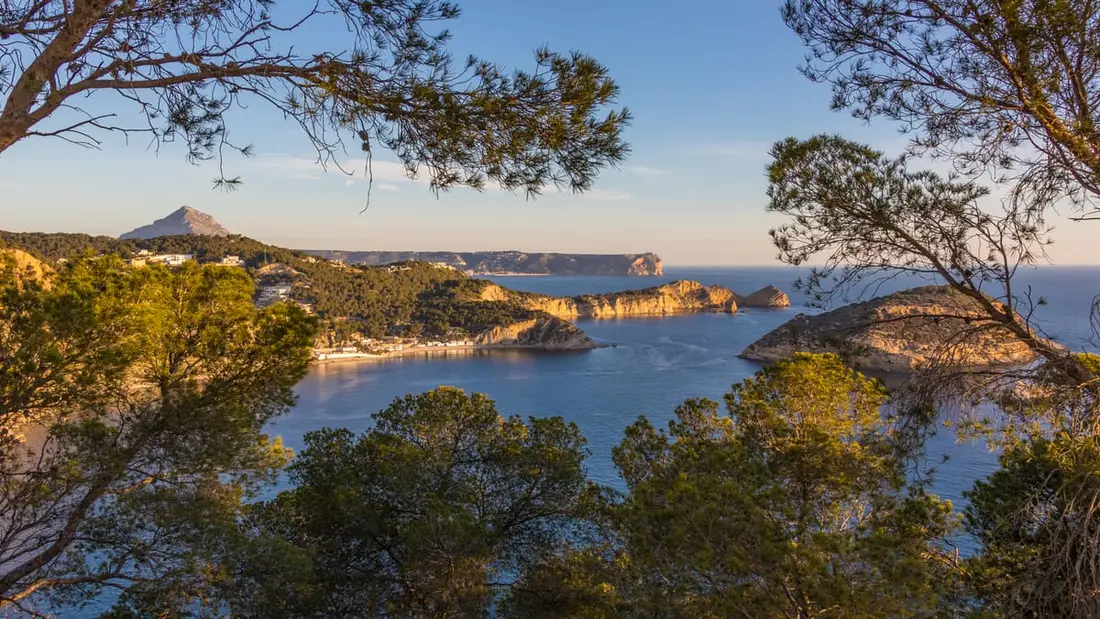
On the Costa Blanca, the harder question is not what a house costs. It is what it may be used for.
MARNER ESTATES works as an independent advisory firm. On the buy side we represent your interests, never a developer quota. What that means here in practice: we establish whether what stands on the plot matches what was licensed and registered, whether first occupation is covered by a licence or by a declaration filed with the town hall, and whether planned holiday letting would founder at the town hall or with the community of owners — before anyone talks about price.
On the sell side we position your property discreetly to the right international buyers, priced from registered comparables rather than portal asking prices.
About MARNER ESTATESTwo mandates. One standard of advisory.
Acquire with clear eyes.
- Registered comparables from the same urbanisation, not coastal averages
- Licence status: declared floor area, building permit, first-occupation licence or declaration
- Planning position of the plot under the framework currently in force
- Tourist letting — the town’s compatibility report, the community’s consent, and whether registration is realistic
- The full cost picture: ITP or VAT plus stamp duty, notary, registry, legal
- NIE, bank account and the steps in the right order, through to the Land Registry
Sell with discretion.
- Valuation from registered sales in your municipality, not portal asking prices
- Discreet, targeted marketing — not blanket listing across portals
- A qualified shortlist of buyers rather than every enquiry a portal produces
- Your documentation assembled before the first viewing, not during the offer
- Energy certificate and the non-resident withholding tax, handled
Sources: Ministerio de Vivienda y Agenda Urbana, Transacciones inmobiliarias (Tabla 1.6, provincias) · Ley 13/1997 de la Generalitat Valenciana, art. 13–14 (BOE) · Agencia Tributaria, Modelo 211 · 11/2026
Properties we represent
A selection from our current offer on the Costa Blanca, with photos and key facts. We send you the full dossier personally on request.
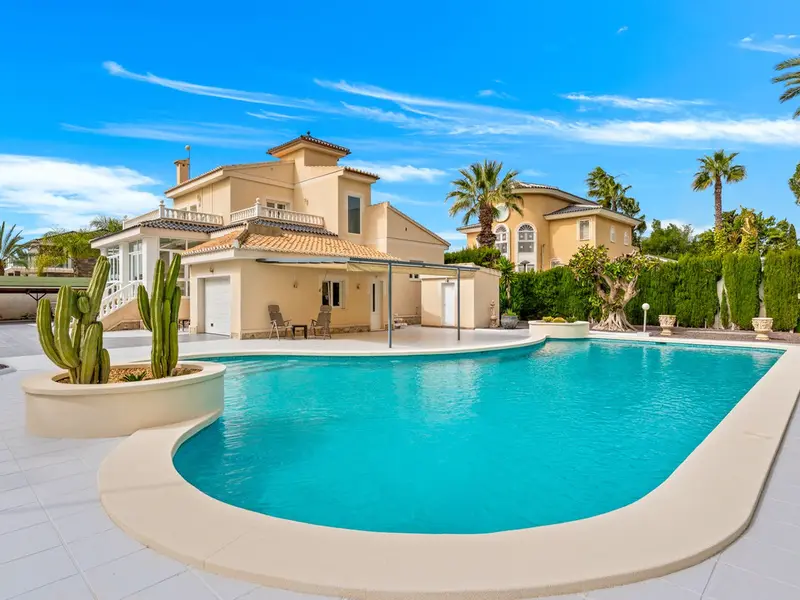


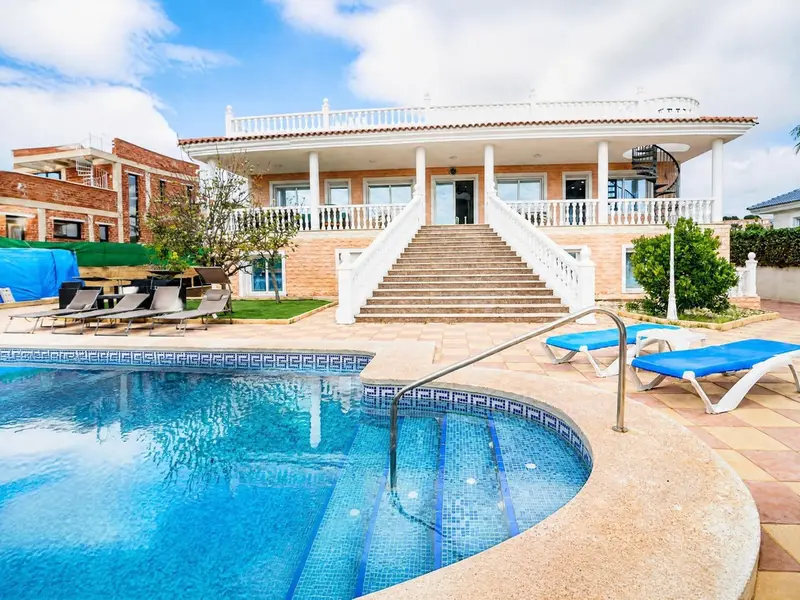





What is scarce on the Costa Blanca is not supply. It is a house whose advert and paperwork say the same thing.
The Costa Blanca is not short of property, and the south is not short of new development. What is genuinely scarce is a property whose licences, registry entry and advertised use all agree with one another. That is a documentary question, not a geographic one — and it is why the checks matter more than the search.
Two coasts under one name
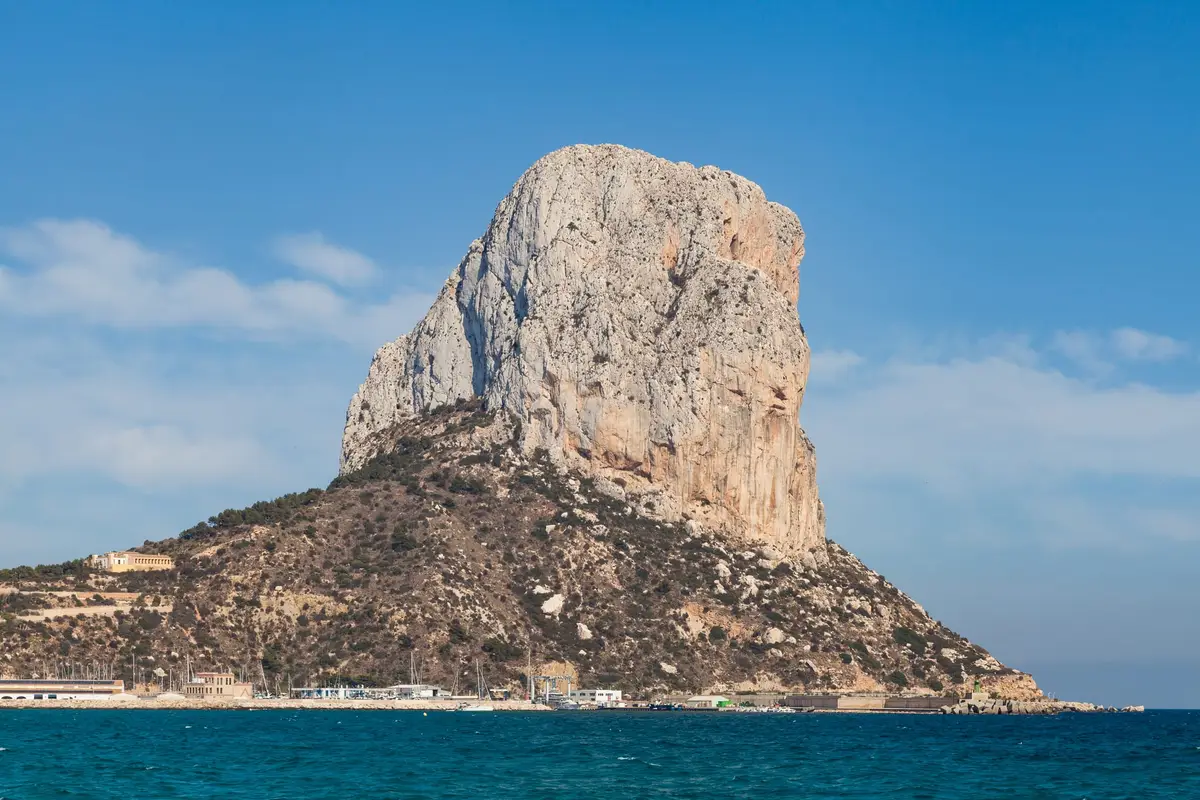
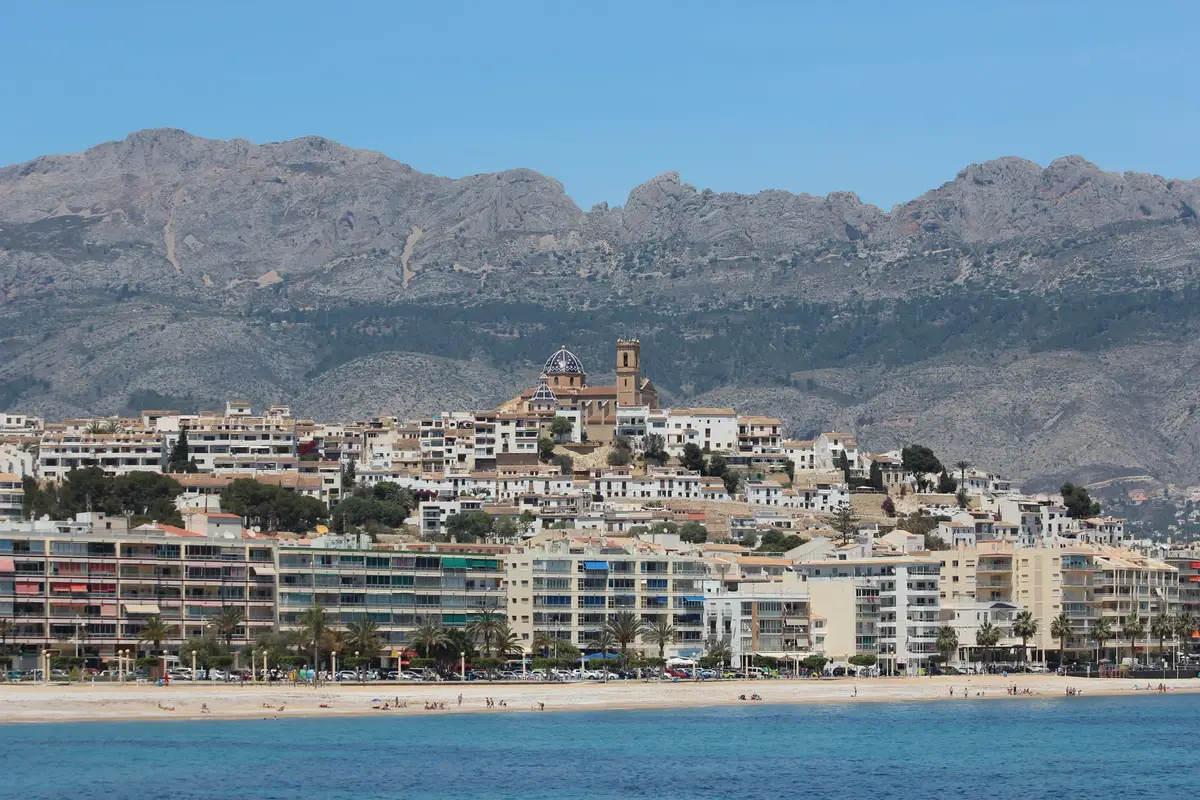
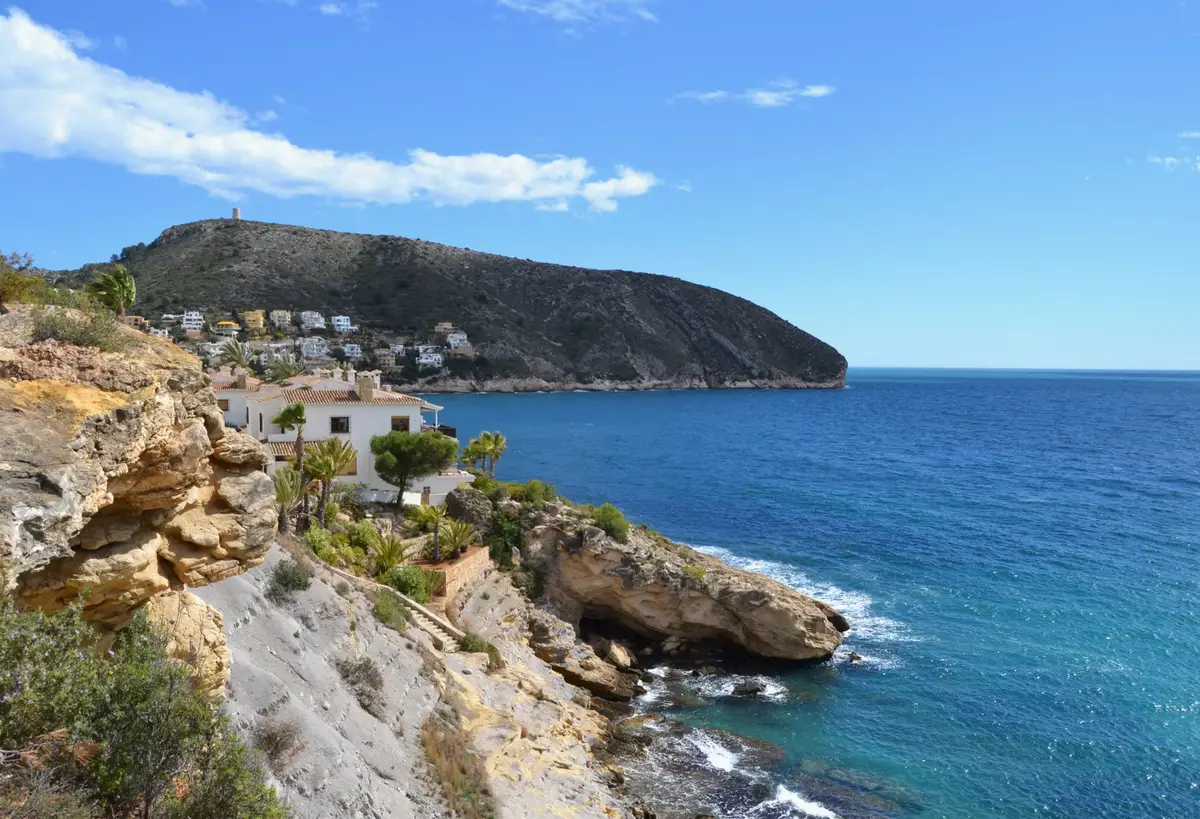
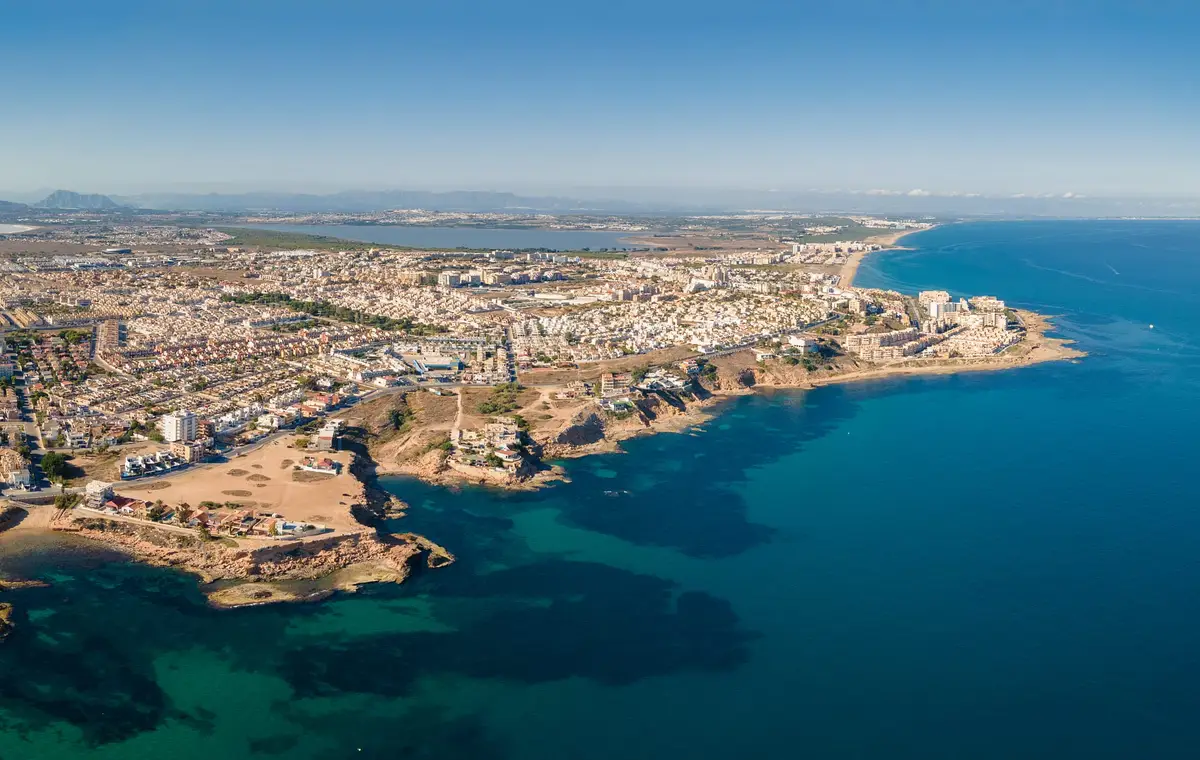
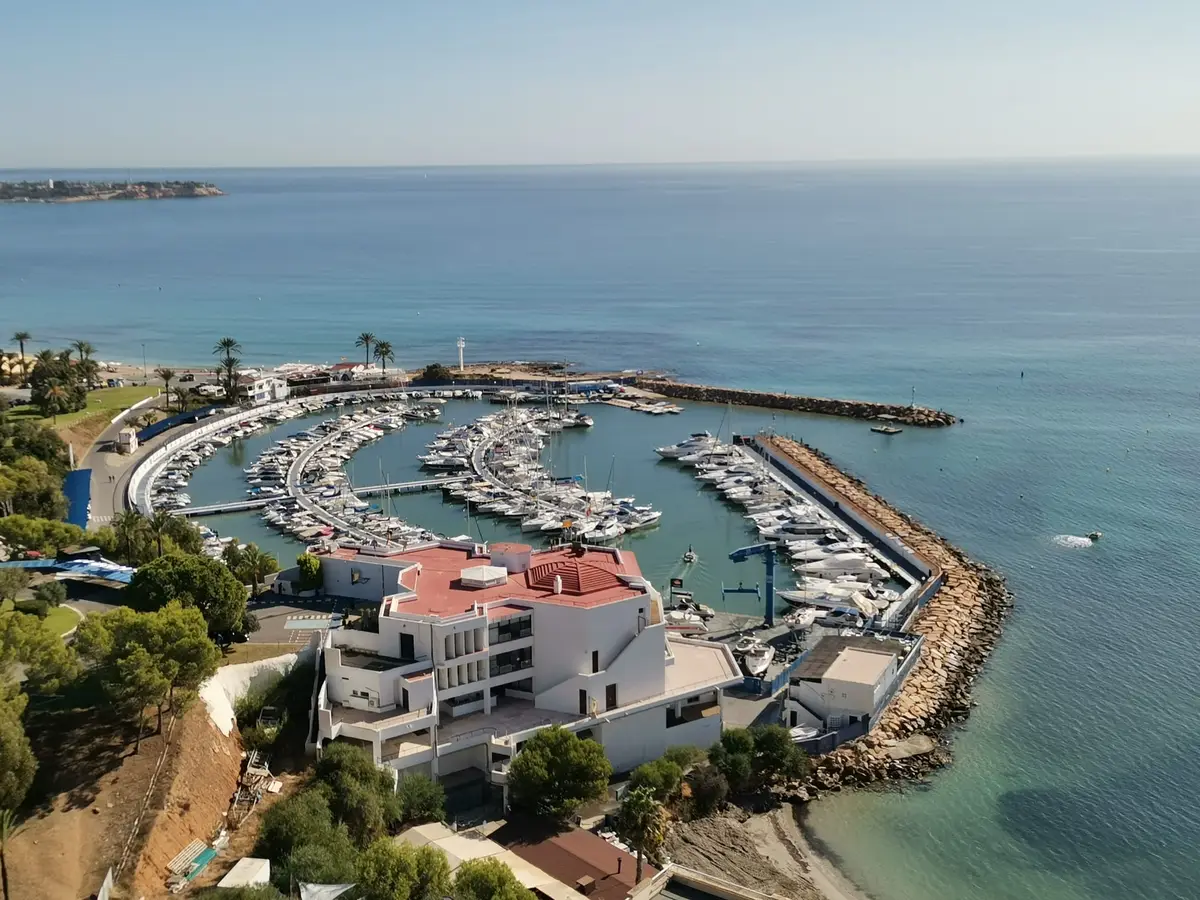
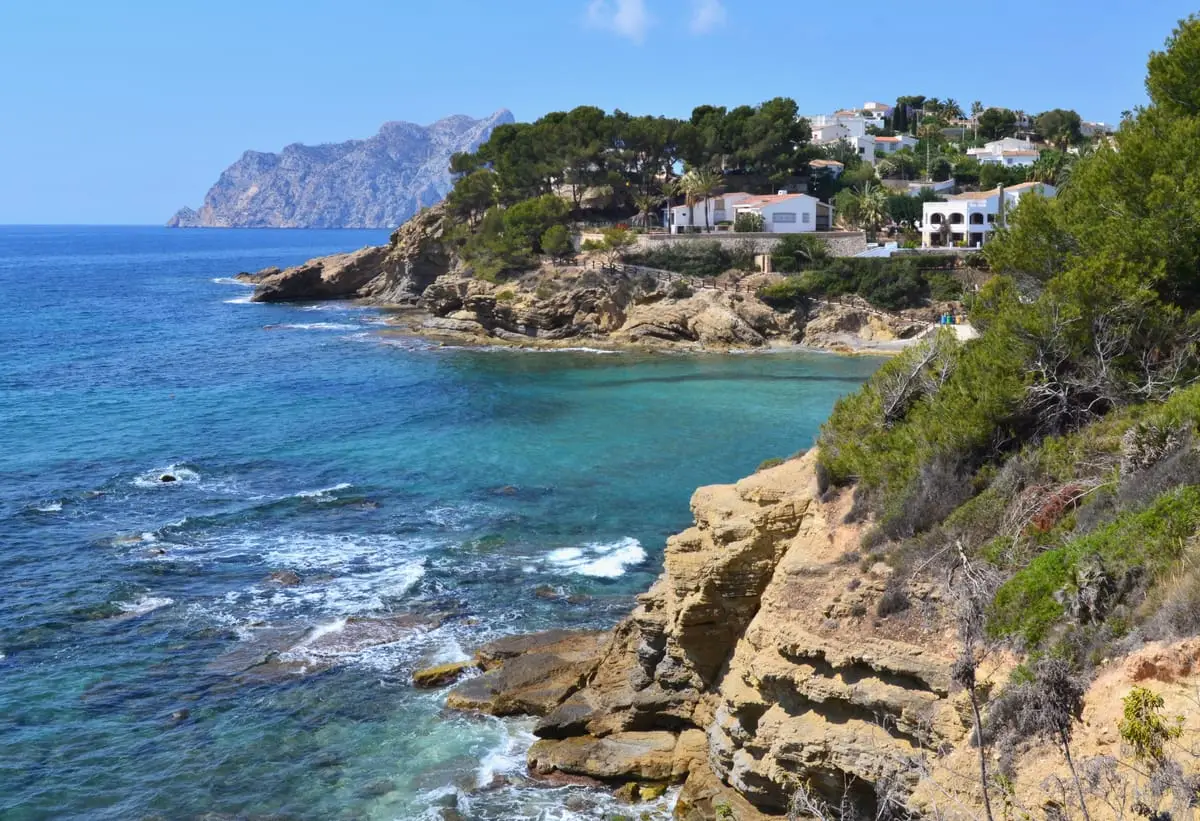
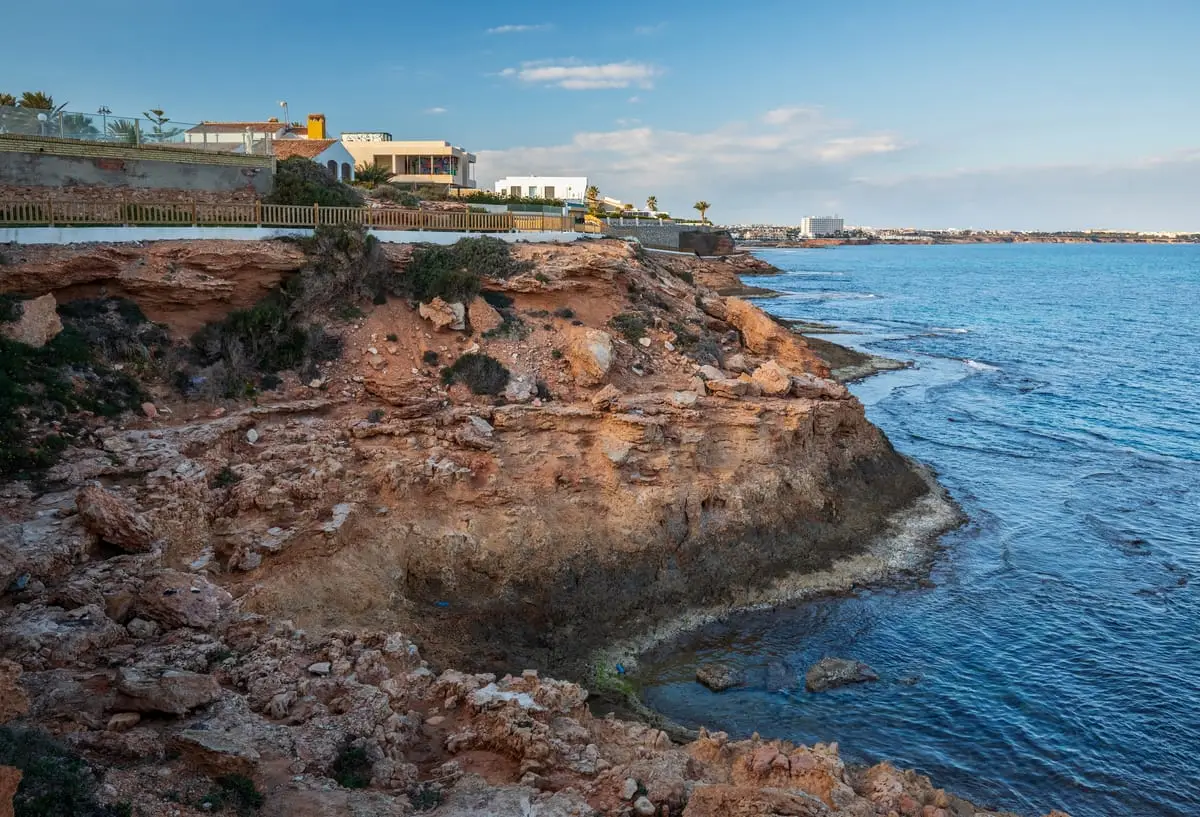
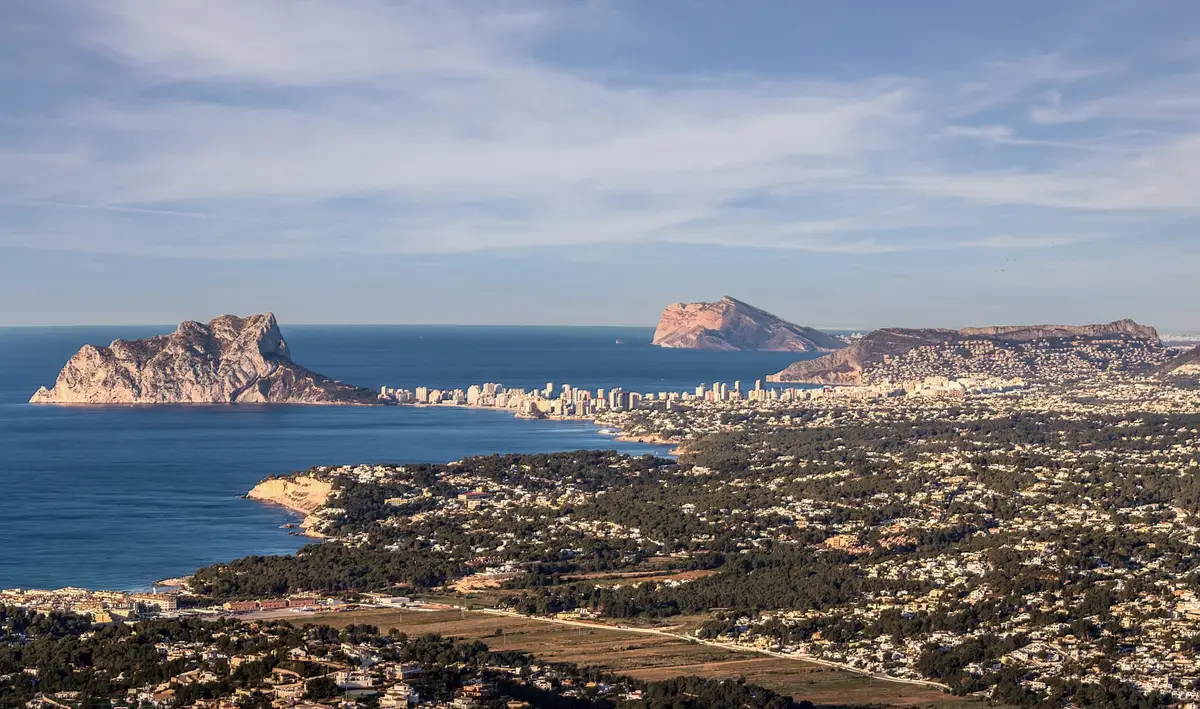
In the north, from Dénia through Jávea (Xàbia), Moraira (Teulada), Benitachell, Benissa and Calpe (Calp) to Altea, villas stand on hillsides above coves. In the south, around Torrevieja, Orihuela Costa, Guardamar del Segura, Ciudad Quesada (Rojales) and Pilar de la Horadada, apartments, townhouses, new-build and golf developments set the tone. An average for the whole coast describes neither.
The Valencian Community writes its own rules
Transfer tax, tourist-letting registration and much of the procedure are set by the region, not by Madrid. The rates changed in June 2026; figures written before that, for Spain as a whole or for another autonomous region, do not apply here — which is also why we do not reuse them.
The price is not always the tax base
Transfer tax is calculated on the higher of two figures: the agreed price or the reference value the Cadastre sets for the property. Negotiating lowers the price, not necessarily the tax. And the higher rate for expensive properties is a threshold, not a band: once it applies, it applies to the whole value, not only to the part above it.
Letting starts at the town hall
In the Valencian Community, holiday letting first needs a favourable municipal report on urban compatibility, then registration in the regional tourism register; the registration number must appear in every advert. The registration is time-limited, not permanent. Towns may cap tourist dwellings per building or zone, and several on this coast do.
Year-round, not seasonal
Alicante-Elche airport connects the coast to much of Europe through the winter. The area functions as a base rather than only as a summer address: in Benitachell, Calpe, Rojales and Moraira (Teulada), foreign nationals outnumber Spanish citizens among residents.
When the seller lives abroad
If the seller is not tax-resident in Spain, the buyer withholds part of the price and pays it to the Spanish tax office; if the seller is an individual, the buyer also steps in as the taxpayer for the municipal plusvalía. Because many buyers on this coast come from abroad and not all of them live here, this is routine rather than an exception — and it belongs in the contract, not in the aftermath.

“Every recommendation is driven by analysis, not sales pressure — aligned solely with your goals, on either side of the table.”
Operating at the intersection of brokerage execution and strategic advisory, with international client experience across the Spanish market.
More about usHow the advisory process works.
Consultation
We understand your objective — buying, selling or both.
Strategy
The right area for that objective, then the right house within it.
Verification
Registry, licences, planning position and running costs, before you commit.
Transaction
Coordinated completion, executed before a notary.
Beyond
Ongoing guidance — hold, let, reinvest or exit.
Where on the coast?
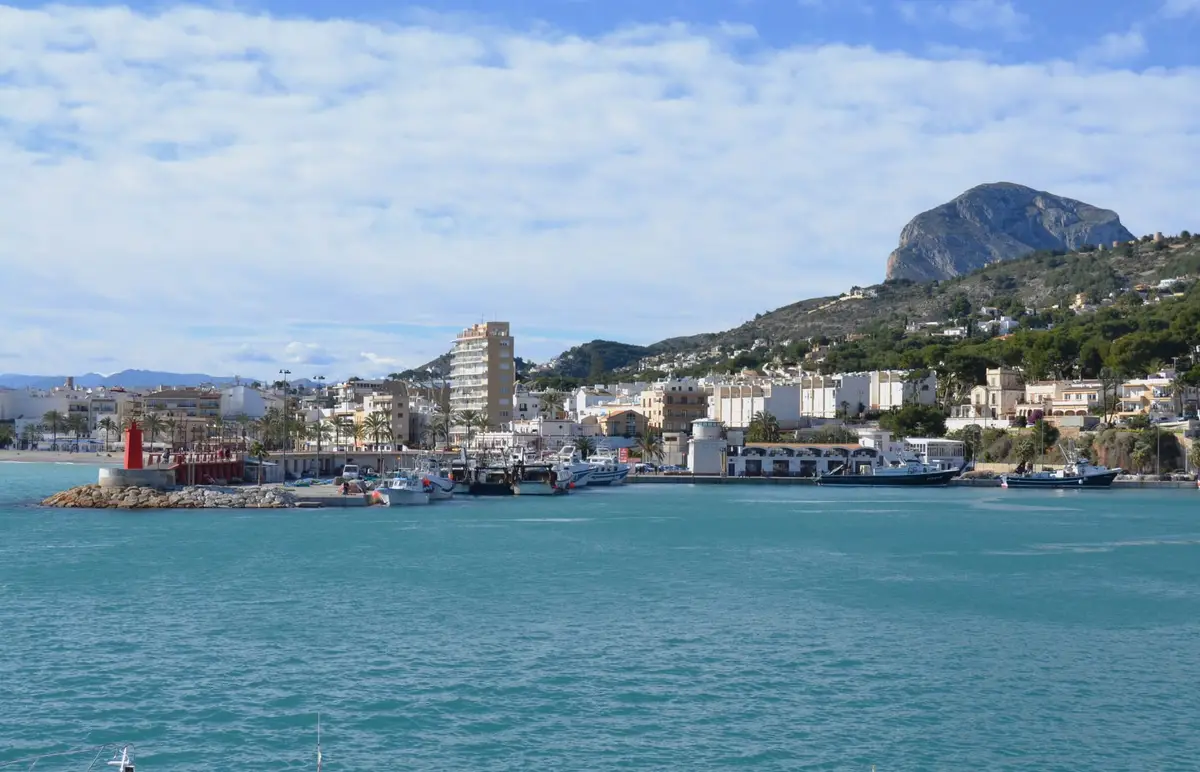
The north and the south of the Costa Blanca are two different markets, and each town within them is its own case. Every place has its own page, with official figures rather than brochure prose.
What we would want to know if we were buying.
Written for people about to commit money in a legal system that is not their own — and kept free of the numbers that go stale.
Questions, answered.
Can foreigners buy property on the Costa Blanca?
Yes. There is no restriction on foreign ownership in Spain. You will need an NIE (foreigner identification number), and the transfer is executed before a notary and recorded at the Land Registry.
Can I let the property to holidaymakers?
In the Valencian Community, holiday letting needs a favourable municipal report on urban compatibility and registration in the regional tourism register, whose number has to appear in any advertising. An existing registration does not simply pass to a buyer: the new owner files a fresh declaration, with the favourable municipal report. Whether a given property qualifies, and whether the community of owners approves it, are separate questions. Establish both before you commit rather than assuming they can be settled afterwards.
What are the purchase costs on top of the price?
Budget for transfer tax — ITP on a resale, or VAT plus stamp duty on a new build — together with notary, Land Registry and legal fees. Notary and registry fees follow national tariffs, scaled to the value. If you take a mortgage, the stamp duty on the mortgage deed is the bank’s; you pay the valuation. The transfer-tax and stamp-duty rates are set by the Valencian Community and are changed by the region rather than nationally, so we work them out for your specific property against what the Agència Tributària Valenciana currently applies.
Are there ongoing property taxes?
Yes. IBI is levied annually by the municipality, and community fees apply in most developments. Non-resident owners also have annual filing obligations in Spain. Your tax adviser should confirm what applies to you, and residence for tax purposes is decided by where you actually live, not by your passport.
What should I check on the Costa Blanca that I would not check elsewhere?
If letting is part of the plan: whether the town hall and the community of owners would allow it — a line in the advert does not settle that. Then whether the Cadastre reference value is above the agreed price, because the tax is then calculated on it. And whether the seller is resident in Spain, because the withholding, and who answers for the plusvalía, depend on it. Whether what was built matches the licence and the registry belongs in every check, anywhere.
Is there still a golden visa through property?
No. Spain closed the property route to its investor residence permit. Anyone offering it on that basis is working from a rule that no longer applies. Residence options exist through other routes and belong with an immigration lawyer.

Let’s discuss your next move in the Costa Blanca market.
Market fundamentals, valuation or strategy, regulatory framework and next steps — based on your goals. Book a complimentary, no-obligation consultation.