

Jávea
One municipality with two official names and three centres: the old town inland, the port on the bay and the Arenal by the sandy beach. Above them stands the Montgó.
Source: INE, Censo Anual de Población 2025 · accessed 2 November 2026
Jávea and Xàbia are the same place. The municipality has officially carried both names since 1985, the Castilian and the Valencian, and listings use one or the other. If you are searching here, enter both.
Three centres, not one
Jávea lies in the Marina Alta, in the north of the Costa Blanca, at the foot of the Montgó, the massif between Xàbia and Dénia. The municipality has no single centre; it has three.
The old town sits inland, away from the water. The port on the bay is a district of its own, where fishing boats moor alongside pleasure craft. The Arenal is the district around the sandy beach and, in summer, the busy part of the municipality. In between, and up the hillsides, lie villa areas, often among pines.
Capes and coves
The bay of Xàbia opens between Cap de Sant Antoni to the north and Cap de la Nau to the south. South of the Arenal the coast turns rocky, with small shingle coves such as Portitxol and Granadella. Living by the water here also means choosing between sand and rock.
What the figures say
On 1 January 2025 the census of Spain’s statistics office, the INE, counted 30,817 residents in Xàbia/Jávea, of whom 14,625 held a foreign nationality: just under half. The British are the largest group at 4,550, followed by Colombians (1,803), the Dutch (1,114), Moroccans (952), Venezuelans (772) and Germans (641).
The census counts the people who live here. Second homes do not appear in it, and anyone who holds a Spanish passport alongside another counts as Spanish. The figures describe the municipality, not the property market.
Spain’s land registrars (Registradores) publish the share of foreign buyers by province. In 2025 they recorded 53,385 purchases of residential property in the province of Alicante, 43.29 per cent of them by buyers of foreign nationality. That is the highest share of any Spanish province. The statistic does not show which of those purchases were in Jávea.
What this means for a buyer
The old town, the port, the Arenal and the villa areas on the hillsides belong to one municipality, but day to day they are different places. Which of them suits you is a decision for the start of the search, before the choice of a particular house.
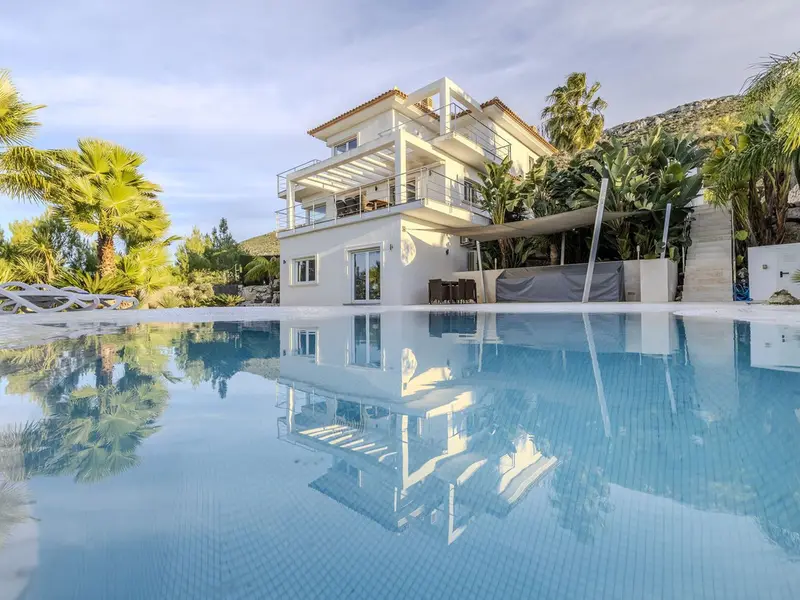
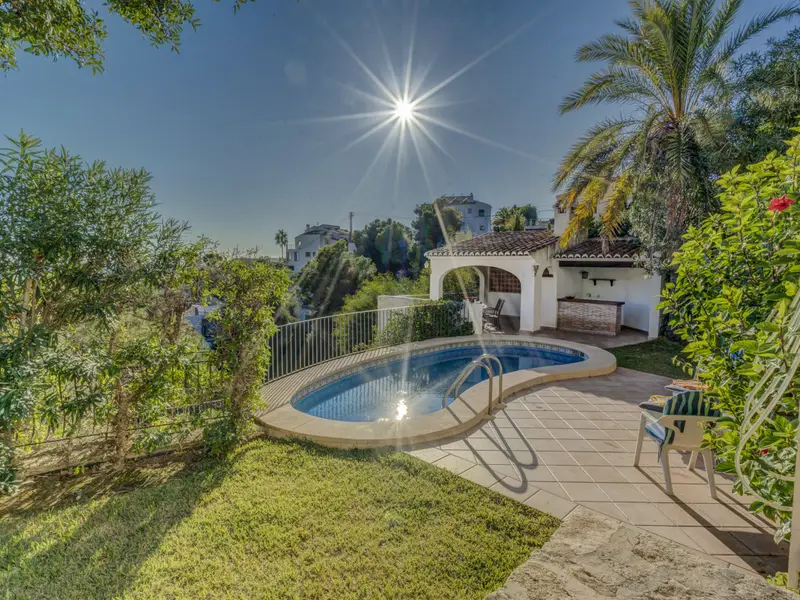
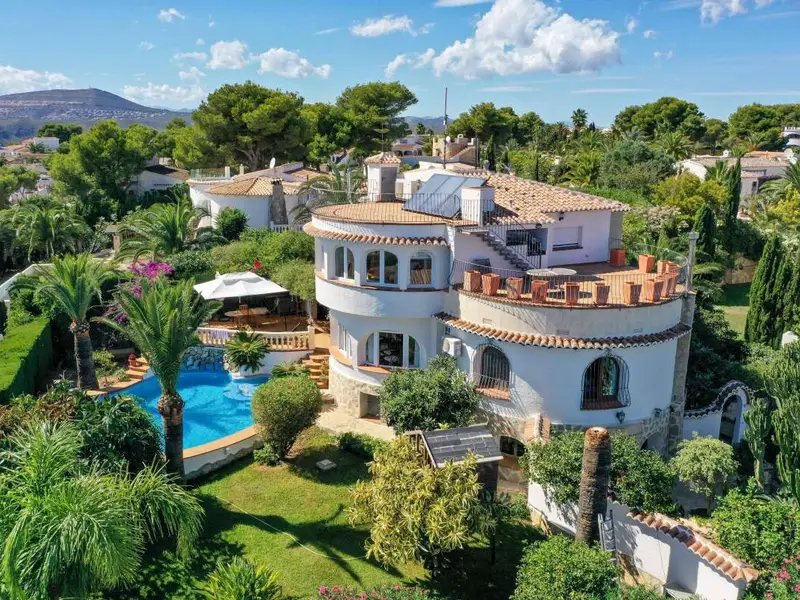
Current properties in Jávea
On holiday letting
In the Valencian Community this is decided by the individual property, not by the town alone: it needs a favourable report from the municipality on its compatibility with planning rules and an entry in the Registro de Turismo de la Comunitat Valenciana. Since April 2025, where there is an owners’ community, a new holiday let also needs that community’s express approval. We check this for the specific property before anything is signed. A listing that says letting is “possible” is not a registration.
Guide to holiday lettingSee new properties first
Buying on the Costa Blanca rarely takes just a few weeks. Tell us what you are looking for — we get in touch when something fitting comes up, and no more often than that.
Thank you — you will hear from us when something fitting comes up.
Population figures are official, from the INE. Market observations are our own and are not statistics.