

Alicante
The capital of the province, with Santa Bárbara castle above the port. Buying in Alicante means buying in a city: you choose a district first, and a property within it second.
Source: INE, Censo Anual de Población 2025 · accessed 2 November 2026
Alicante is the capital of the province and, above all, a city: administration, port, old town and residential districts sit within one municipality of more than 365,000 people. Anyone looking for property here is looking in an urban market.
Two names, one municipality
Spain’s statistics office lists the municipality bilingually as Alacant/Alicante, in Valencian and Castilian. Since 1999 the province, too, has officially carried the name Alacant alongside Alicante (Ley 25/1999). Internationally, Alicante is the usual form. If a document says Alacant, it means the same city.
Castle and port
Above the city, on Monte Benacantil at 166 metres, stands the Castillo de Santa Bárbara; the photograph above was taken from there. At the foot of the hill lies Postiguet, the city beach, next to it the port with its marina, and behind them the districts of the city.
What the figures say
The census of Spain’s statistics office counted 365,586 inhabitants on 1 January 2025, of whom 76,685 did not hold Spanish nationality, around 21 per cent. The largest groups come from Colombia (11,674), Algeria (11,063), Ukraine (7,019), Italy (5,186), Russia (4,068) and Morocco (3,998). Few come from north-western Europe: 1,074 Britons, 853 Germans, 558 Dutch and 372 Belgians.
The census only counts people who are registered as residents. Someone who owns a flat in Alicante without being registered here does not appear in it. The figures describe the city’s residents, not its buyers.
The market in the city and the province
In 2025 notaries recorded 7,005 home purchases in the municipality, slightly more than in Torrevieja with 6,902 (statistics of Spain’s housing ministry, MIVAU). For the province of Alicante as a whole, the land registrars’ statistics show 53,385 registered home purchases in 2025. 43.29 per cent of them went to foreign buyers, the highest share of any Spanish province. Notary and land-registry figures come from different counts: they can be set side by side, but not converted into one another.
What this means for a buyer
In Alicante you choose less a town than a district, a street, a floor. The questions are those of a city: how far is the sea, how loud is the street, what stands opposite? Owner, charges and registered floor area are set out in the nota simple, not in the listing. We check it before anything is signed.
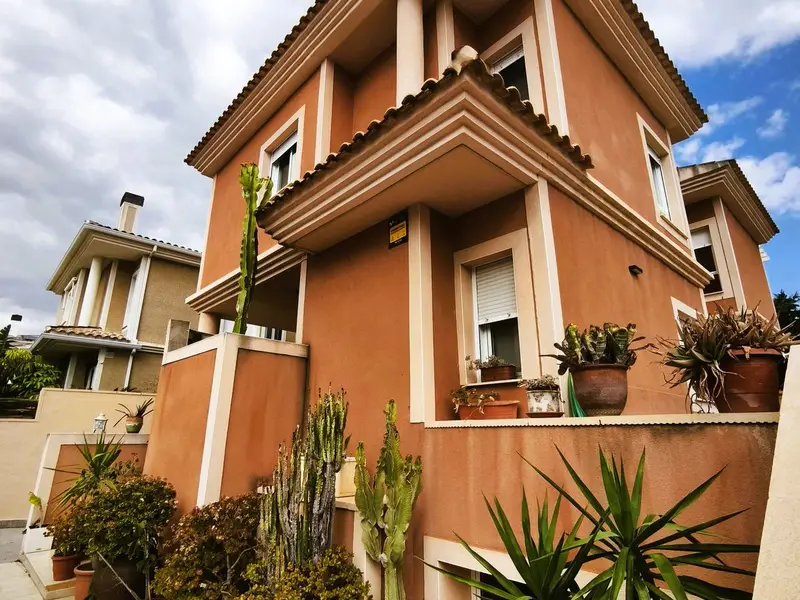
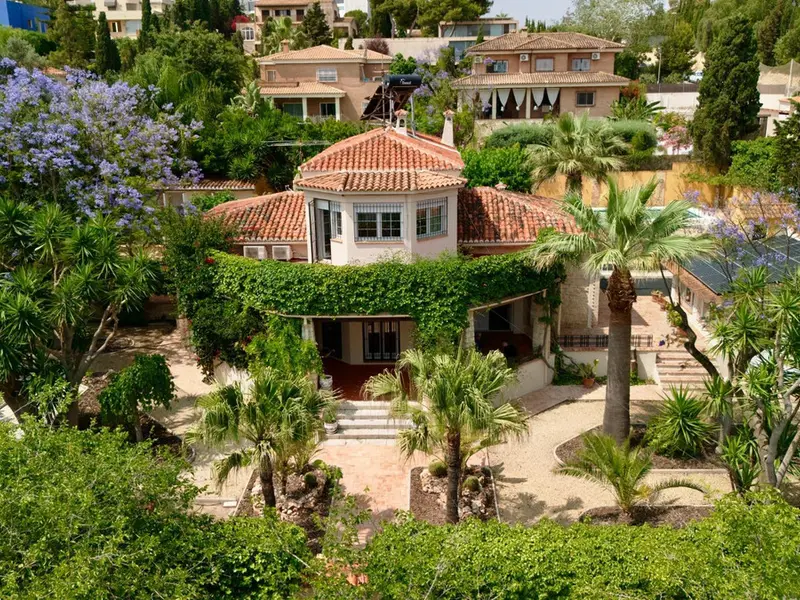
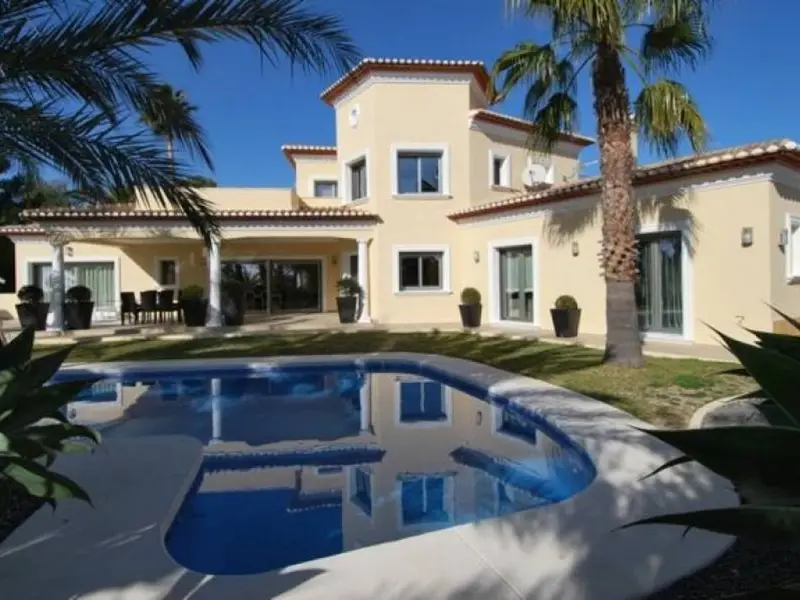
Current properties in Alicante
On holiday letting
In the Valencian Community this is decided by the individual property, not by the town alone: it needs a favourable report from the municipality on its compatibility with planning rules and an entry in the Registro de Turismo de la Comunitat Valenciana. Since April 2025, where there is an owners’ community, a new holiday let also needs that community’s express approval. We check this for the specific property before anything is signed. A listing that says letting is “possible” is not a registration.
Guide to holiday lettingSee new properties first
Buying on the Costa Blanca rarely takes just a few weeks. Tell us what you are looking for — we get in touch when something fitting comes up, and no more often than that.
Thank you — you will hear from us when something fitting comes up.
Population figures are official, from the INE. Market observations are our own and are not statistics.